Warts
Article30. 10. 2019
Warts, also known as verrucas, are small lumps that appear on the skin as a result of a virus of the HPV family. Both children and adults are equally susceptible.
The HPV virus enters the body through tiny abrasions or cracks in the skin, where it then reproduces and manifests itself as a verruca or a wart on the skin’s surface. The virus most often spreads in places where people often walk barefoot- the swimming pool would be a prime example. They can also be spread by direct contact, either skin to skin, or with clothing.
How do I recognise a wart?
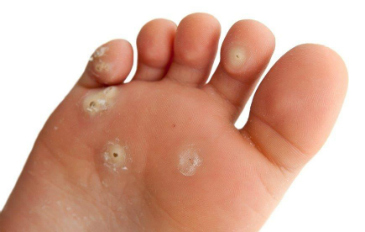
A wart is usually a small, round growth with a rough texture that usually appears on the feet. It can often be confused with a callus or foot corn. If it is not removed, it can grow deeper into your skin and cause pain.
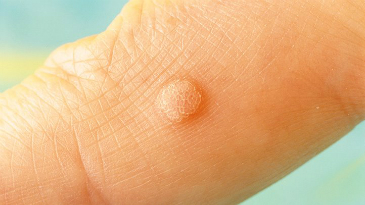
Warts that appear on the hands or fingers often look like a small cauliflower. They are highly infectious and the patient can transfer them to other places around their body, e.g. nose, mouth, eyelids. Adolescents can often get flat warts on their face and hands - these don’t hurt but rather cause aesthetic issues.
How do I get rid of warts?
It is possible to get rid of a wart once and for all, but it requires patience and consistency. The most common treatment for warts is called cryotherapy- the use of liquid nitrogen. The treatment should be done regularly over a course of 3-4 weeks. For smaller warts, it is possible to use over the counter medication, in addition to the cryotherapy- your doctor will let you know which product is most suitable.
Do home remedies work?
Home remedies such as using garlic or potatoes to get rid of warts are not recommended by our specialists, as it can lead to deep ulceration of the wart.
Can I get rid of warts quickly?
A quick, one-off method of getting rid of a wart is surgical removal, however, it is not always an option. It is always necessary to consult a doctor, who after a dermatoscopic examination of the wart can advise on the best treatment option.
More often than not, a wart is left untreated because it is mistaken for a corn or a callus, and the patient only seeks professional help once the wart starts causing pain.
A word of advice: small warts are much easier to treat than large, ‘neglected’ warts.
Galery